WHO WE ARE
Denim Specialists Since 1986 – Trusted by Professionals.
Sumangal Fabrics – Welcome to The Most Trusted Name in the World of Denim
All men are not Equal — and neither is denim. We at Sumangal Fabrics are proud to be among the industry's most reputable distributors and wholesalers of ready-to-stitch denim fabric.
OUR SERVICES
Denim Solutions Tailored for You.
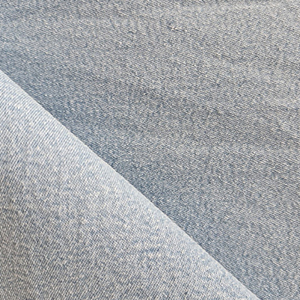
Ready-to-use Denim
Our pre-finished, denim fabrics are ideal for speedy cutting and tailoring as it reduces the amount of time needed for preparation
read more
Pre-washed denim
We offer soft-textured, prewashed denim that highlights an elegant vintage look. These textiles are laundered in advance to avoid shrinkage.
read more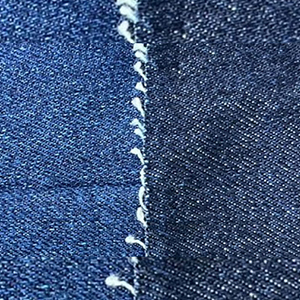
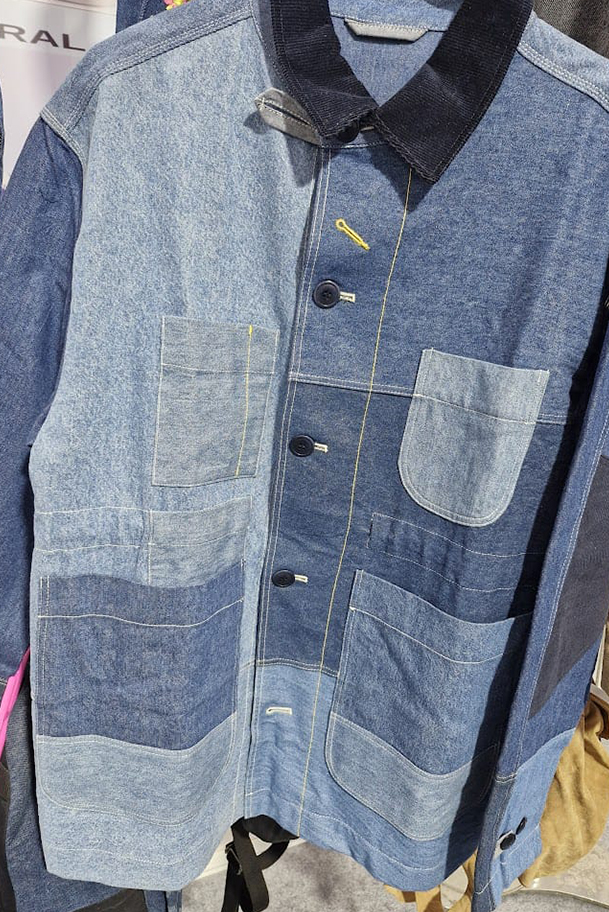
Ready-to-stitch denim fabric
Our ready-to-stitch denim fabric comes in a range of weights and textures, ideal for both boutique creations and larger production runs because it is flexible and simple to tailor.
read moreWhat Sets Us Apart
1. Timely fulfillment
We are aware of timelines. Across the nation, prompt and effective dispatch is guaranteed by our logistics team.
2. We accept custom orders
Do you require a particular shade or GSM? We provide customized fabric solutions to meet specific needs.
3. Eco-Friendly Behaviors
Low-impact dyes and water-saving methods are used in the processing of our denim.
Get in touch with us right now to place your next order, view samples, or request quotes, and experience the Sumangal difference.
Why Choose Sumangal Fabric?
Crafting Comfort, Delivering Value.
What are fades and why do they happen?
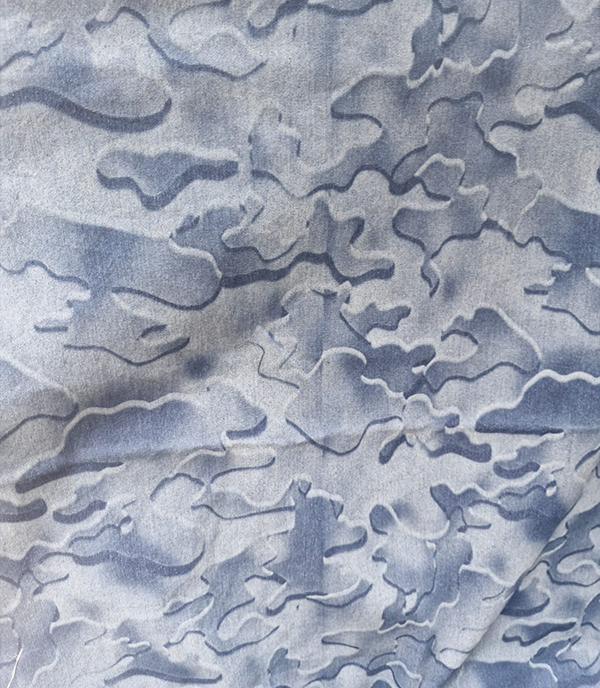
Indigo-dyed denim is not like other fabrics. With wear and wash, the deep blue colour slowly turns brighter and the white core of the yarn slowly appears. In other words, it fades.
All denim fades, but it’s much more visible on raw denim jeans compared to pre-washed jeans, which essentially already has been faded.
The reason for indigo’s unique fading property is found in the vat dyeing process.
Indigo starts as a powder. To get it onto the yarn or the fabric, it’s solubilised in water. When the yarn or fabric is pulled out of the dyeing vat, the oxidation process binds the colour to the fibres of the yarn.
The indigo doesn’t reach the core of the yarn, but only binds externally. This gives what’s known as a ‘ring dye’ effect. And that’s what makes jeans fade. As the dye slowly wears and washes off, the undyed core appears.
Even with several dips in industrial indigo dyeing, the indigo pigments stay on the surface of the yarn. As the colour slowly wears and washes off, the undyed core appears. This is true for both natural indigo and synthetic indigo when used in modern-day indigo dyeing.